
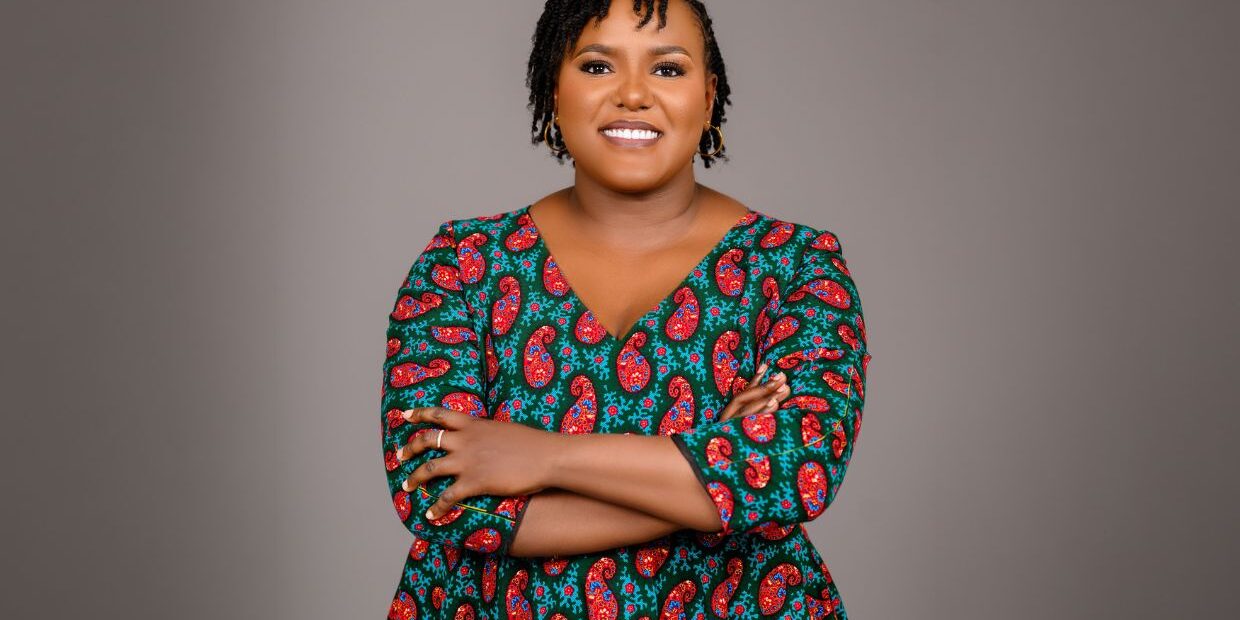
Resilience, representation and innovation will shape the future of engineering in Africa
Celebrated annually on 23 June, International Women in Engineering Day (INWED) shines a spotlight on the achievements of women engineers around the world while encouraging greater diversity and inclusion within the profession. For Dr. Adwoa Boaduo, Group Head of Safety at Rosond, the day is also an opportunity to challenge outdated perceptions about women in mining and engineering.
Dr. Boaduo’s journey into mining engineering was shaped by personal experiences growing up in Virginia in the Free State, where she witnessed both the opportunities and hardships associated with mining communities.
“I remember seeing victims of mining incidents at the mining hospital, amputees in wheelchairs, and constantly asking myself why this was happening,” she says. “That experience later drove my technical focus towards mine safety and rock engineering.”
She was equally impacted by the social and economic consequences that followed the closure of several gold mining operations in the area. “Almost overnight, the town changed from a vibrant community into what felt like a ghost town, with businesses shutting down and livelihoods affected,” she explains.
“That experience shaped my research interest in the impact of mining on sustainable economic development and the long-term sustainability of mining communities.” These experiences, combined with a determination to challenge stereotypes around women in mining, ultimately inspired her career path.
Breaking the stigma of women in mining
Today, as Group Head of Safety at Rosond, Dr. Boaduo plays a strategic role in strengthening safety systems and operational risk management across the business. “My role focuses on driving safety strategy across the business, improving operational risk management, strengthening leadership engagement, and integrating technology and data into our safety systems.”
She explains that effective safety management must go beyond compliance-driven processes and become embedded in day-to-day operational realities. “I work closely with operations to ensure safety becomes practical, proactive, and aligned with how work is actually done on site.”
Dr. Boaduo’s career journey has evolved from technical and operational mining environments into broader leadership roles focused on organisational improvement. “Completing my PhD in Engineering also played a major role in shaping how I approach problem-solving and systems thinking within the mining industry,” she notes.
Overcoming barriers in engineering
Like many women working in traditionally male-dominated industries, Dr. Boaduo has faced challenges related to credibility, recognition and career progression. “One of the biggest challenges has been navigating environments where I sometimes had to work harder to establish credibility and ensure my contribution was fully recognised,” she says.
She also points to the uncertainty that gender-related biases can create around advancement opportunities. “I experienced uncertainty around career progression and role clarity, not because of technical ability, but because of gender-related biases and perceptions.”
Rather than allowing these challenges to limit her progress, Dr. Boaduo focused on continuous growth, technical excellence and leadership development. “I overcame these challenges by focusing on continuous growth, technical competence, and delivering meaningful work,” she says.
Creating an environment for empowerment
“Those experiences strengthened my resilience, sharpened my leadership skills, and reinforced the importance of creating environments where people feel valued and empowered regardless of what they look like.”
For Dr. Boaduo, diversity is not simply a social objective, it is critical to better engineering outcomes. “Engineering solutions improve when different perspectives and experiences are included,” she explains. “Representation also helps young people see that there is space for them in the industry, especially in sectors where certain groups have historically been underrepresented.”
She believes mentorship also plays a vital role in helping young engineers navigate the realities of the profession. “Engineering is not only learned academically, but also through guidance and experience,” she says. “Good mentors help young engineers build confidence, navigate challenges, and develop both technically and professionally.”
Engineering Africa’s future
Looking ahead, Dr. Boaduo believes future engineers will require a combination of technical expertise, adaptability and people-centred leadership. “Future engineers will need strong technical competence, adaptability, systems thinking, and the ability to work with technology and data,” she says.
“Communication, leadership, and problem-solving skills will also become increasingly important as industries continue to evolve.” At the same time, she emphasises that engineering will always remain fundamentally human.
“Regardless of how advanced technology becomes, people remain at the heart of every operation. Engineering is ultimately about solving real problems that affect real lives.” Dr. Boaduo is particularly excited by the opportunities emerging across the African continent.
“Africa has enormous potential for innovation, infrastructure development, responsible mining, and sustainable growth,” she says. “The continent has enormous potential to develop practical engineering solutions that are suited to our unique challenges and opportunities.”
A message to the next generation
For young women considering careers in engineering, Dr. Boaduo’s message is clear: believe in your capabilities and challenge the limitations imposed by society. “Engineering can be challenging, but it is also deeply rewarding and impactful,” she says. “A lot of the constraints we face are created by previous experiences and sometimes by ourselves.”
She encourages young women to actively pursue opportunities that stretch and develop them. “The first step is becoming aware of those barriers and intentionally breaking them,” she says. “Put yourself in spaces that challenge you, support you, and allow you to grow. Then apply yourself fully and always give your best.”